Municipal Oversight in Action: DOCRRA weighs in on MPAC

DOCRRA has again played a leading role in evaluating and providing oversight at the Municipal Public Accounts Committee (MPAC). The main purpose of the MPAC is to exercise oversight over the executive functionaries of council and to ensure good governance in the municipality.
Looking Back to Move Ahead: Analysis of the KDM 2023 Annual Report
The DOCRRA Finance Subcommittee have just completed their analysis of the KDM 2023 Annual Report in preparation for the upcoming Municipal Public Accounts Committee (MPAC) meetings, where DOCRRA will be attending as a registered stakeholder and raising our concerns.
Electricity: Outage = Upgrade!
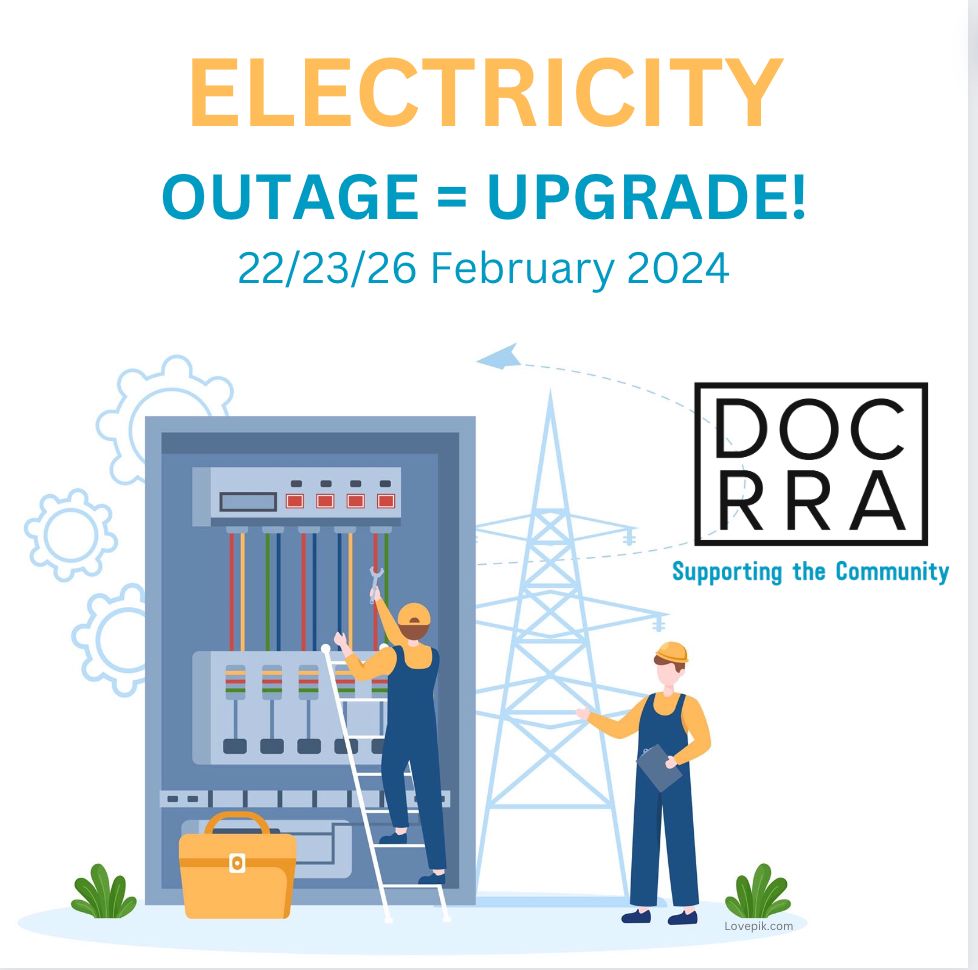
We understand your frustration over the planned electricity interruption at the end of this week, as it affects everyone in a big way! However, for once, this interruption is actually for our good, in the long term.
Fed Up? Time to SHOW Up!

The 2024 National and Provincial Election is fast approaching – are you ready to have your say?
Although the exact date has not been announced yet, the upcoming 2024 elections will be upon us before we know it – and time is running out to register if you haven’t done so already. Predicted to be set between May and August of 2024, once the election date is announced, registration will CLOSE which is why registering now is more important than ever.
2023: DOCRRA Year in Review
As the year draws to a close, and the pace of work and life slow down, we take time to reflect on the growth and achievement that has occurred over the past twelve months.